Special Session on

Digital Transformation for Sustainable Cooling and Climate Resilience

at the 6th IEEE International Conference on Digital Futures and Transformative Technologies (ICoDT2 2026),
supported by the S2Cool Project.

Submit Full Paper

S2Cool Project

Ayrton Challenge Initiative

S2Cool is a £2.8 million UKRI Ayrton Challenge–funded initiative developing super-efficient, climate-resilient, affordable, refrigerant-free, and renewable-ready cooling solutions for heat-vulnerable regions, with a primary focus on Pakistan. Led by Northumbria University (UK) with UK and Pakistani partners, the project combines locally co-created cooling technologies with AI-enabled optimisation, capacity building, and inclusive impact frameworks.

More Details
S2Cool Project Logo

About the Special Session

The Intersection of Digital Innovation & Sustainable Cooling

Cooling has become one of the fastest-growing drivers of global energy demand and greenhouse gas emissions. Rising temperatures, urbanization, population growth, and increasing expectations for thermal comfort are creating unprecedented demand for cooling across homes, workplaces, healthcare facilities, transportation systems, and agricultural supply chains. At the same time, access to affordable and sustainable cooling remains highly uneven, particularly in developing countries where vulnerable populations are often most exposed to extreme heat.

Addressing these challenges requires more than advances in cooling technologies alone. Emerging digital technologies, including artificial intelligence, data analytics, smart sensing, digital twins, and intelligent control systems, are transforming how cooling infrastructure is designed, operated, monitored, and optimized. These technologies offer new opportunities to improve energy efficiency, reduce environmental impact, enhance resilience to climate change, and expand access to cooling services.

This special session provides a forum for researchers and practitioners working at the intersection of digital transformation, sustainable cooling, and climate resilience. It aims to foster interdisciplinary dialogue among researchers from computing, engineering, energy systems, sustainability, climate science, and public policy communities.
Why Sustainable Cooling Matters

According to international energy and climate assessments, cooling demand is expected to grow significantly over the coming decades, particularly across rapidly developing economies. Without intervention, this growth could substantially increase electricity consumption, strain energy infrastructure, and contribute to greenhouse gas emissions.

Sustainable cooling therefore represents a critical component of climate adaptation, public health, food security, economic productivity, and sustainable development. Advancing this agenda requires integrated solutions that combine technological innovation, digital intelligence, policy interventions, and evidence-based decision making.

3X
Energy Demand Surge By 2050

Topics of Interest

Topics of interest for paper submission include, but are not limited to:

Cooling demand forecasting and thermal load modelling
AI-enabled monitoring, control, and optimisation of HVAC and refrigeration systems
Climate-responsive buildings, smart communities, and passive cooling strategies
Urban heat island assessment, mitigation, and adaptation
Renewable-energy-driven refrigeration and air-conditioning systems
Environmental impact assessment and carbon accounting of thermal systems
Socio-economic, policy, and governance aspects of sustainable cooling
Field deployments, pilot studies, and real-world case studies

Who Should Submit?

The session welcomes contributions from researchers, practitioners, policymakers, and industry professionals working in areas including:

Artificial Intelligence and Data Analytics
Energy Systems and Sustainability
Building Technologies and Smart Infrastructure
Climate Adaptation and Resilience
HVAC and Refrigeration Engineering
Environmental Sciences
Urban Planning and Smart Cities
Public Policy and Sustainable Development

Keynote Speaker

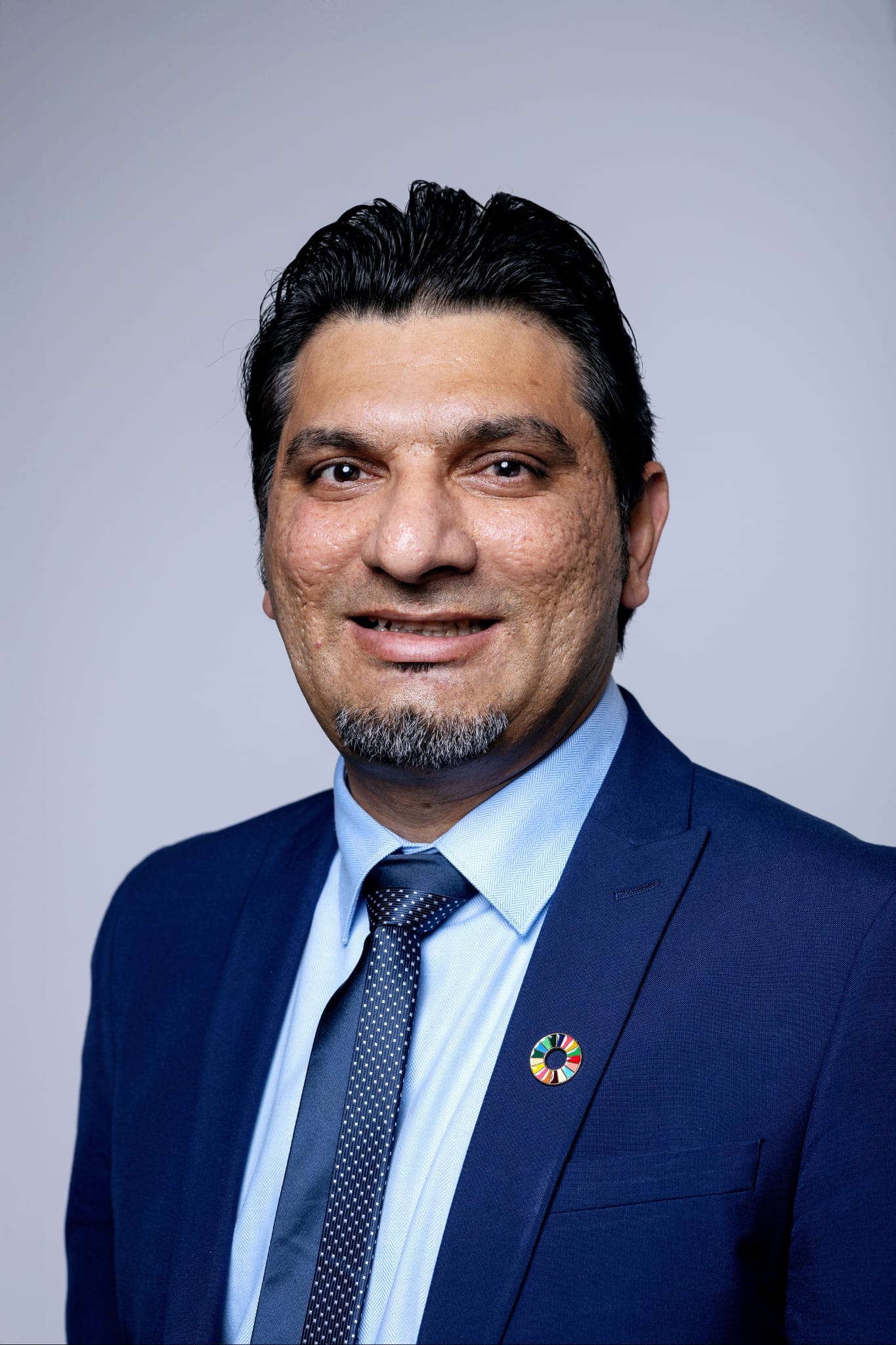
Prof. Muhammad Wakil Shahzad

Keynote Speaker

Prof. Muhammad Wakil Shahzad

Distinguished Professor in Thermal Systems

Sharing advanced, boundary-pushing perspectives on recent structural breakthroughs, modern efficiency paradigms, and future interdisciplinary directions relevant to the theme of Digital Transformation and Climate Resilience.

Session Organizers

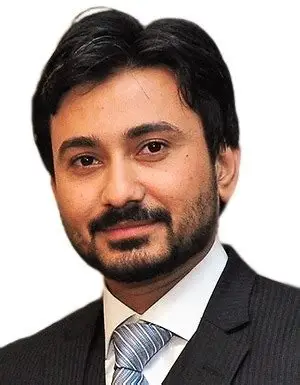
Dr Muhammad Naseer Bajwa

Dr Muhammad Naseer Bajwa

SEECS – NUST
Islamabad, Pakistan

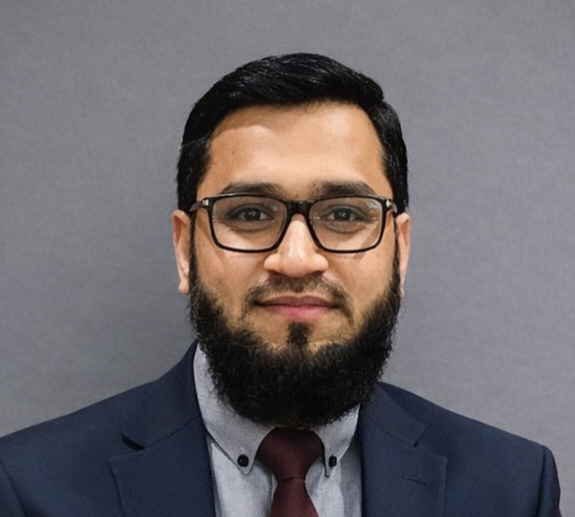
Dr Muhammad Ahmad

Dr Muhammad Ahmad

Northumbria University
United Kingdom

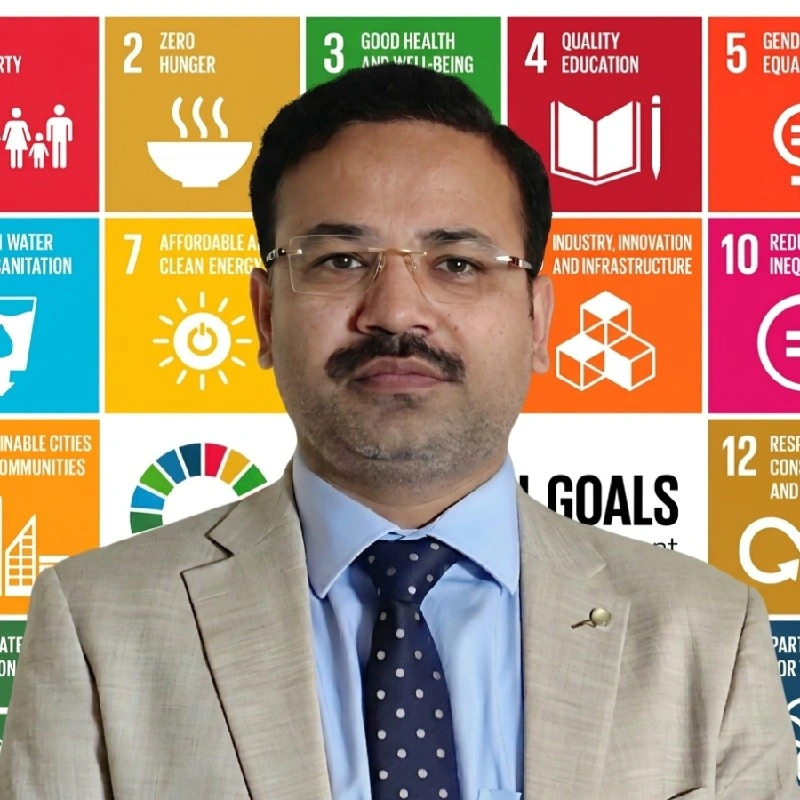
Dr Muhammad Sultan

Dr Muhammad Sultan

BZU
Multan, Pakistan

Important Deadlines

Milestone Task Deadline Threshold
Paper Submission Deadline
Sunday, 05 July 2026
Notification of Acceptance
17th August 2026
Camera-Ready Submission
30th August 2026
Author Registration
10th September 2026
Conference Dates
17-18 November 2026

Submission Guidelines

Peer-Review Standards

The special session solicits original full-length research papers presenting theoretical advances, methodological innovations, practical implementations, case studies, and interdisciplinary applications relevant to sustainable cooling and climate resilience. Submissions should clearly establish the research contribution, its relevance, importance, and novelty. Authors should follow the official ICoDT2 2026 submission guidelines and use the standard IEEE conference manuscript templates available through the conference website. All submissions will undergo the same peer-review process as regular ICoDT2 papers.

Manuscript templates for conference proceedings can be downloaded from:

IEEE Conference Templates

Researchers and practitioners from academia, industry, government, and international development organizations are highly encouraged to submit their latest work and contribute to this emerging area of global significance.

Organizers & Technical Partners